Best Water Parks in California 2026
23 water parks in California, with verified details, photos, and planning information. From outdoor thrill parks to indoor resort getaways.
23 parks21 outdoorUpdated July 2026
Water parks near cities in California
Browse water parks by feature
Top 10 Water Parks in California
Compare park types, prices, amenities, and practical planning details.


.png&cb=C8C75467&w=40&h=40&cropBox=1&c=1)


13 More Water Parks in California
View on map





Water Parks in California: A Guide
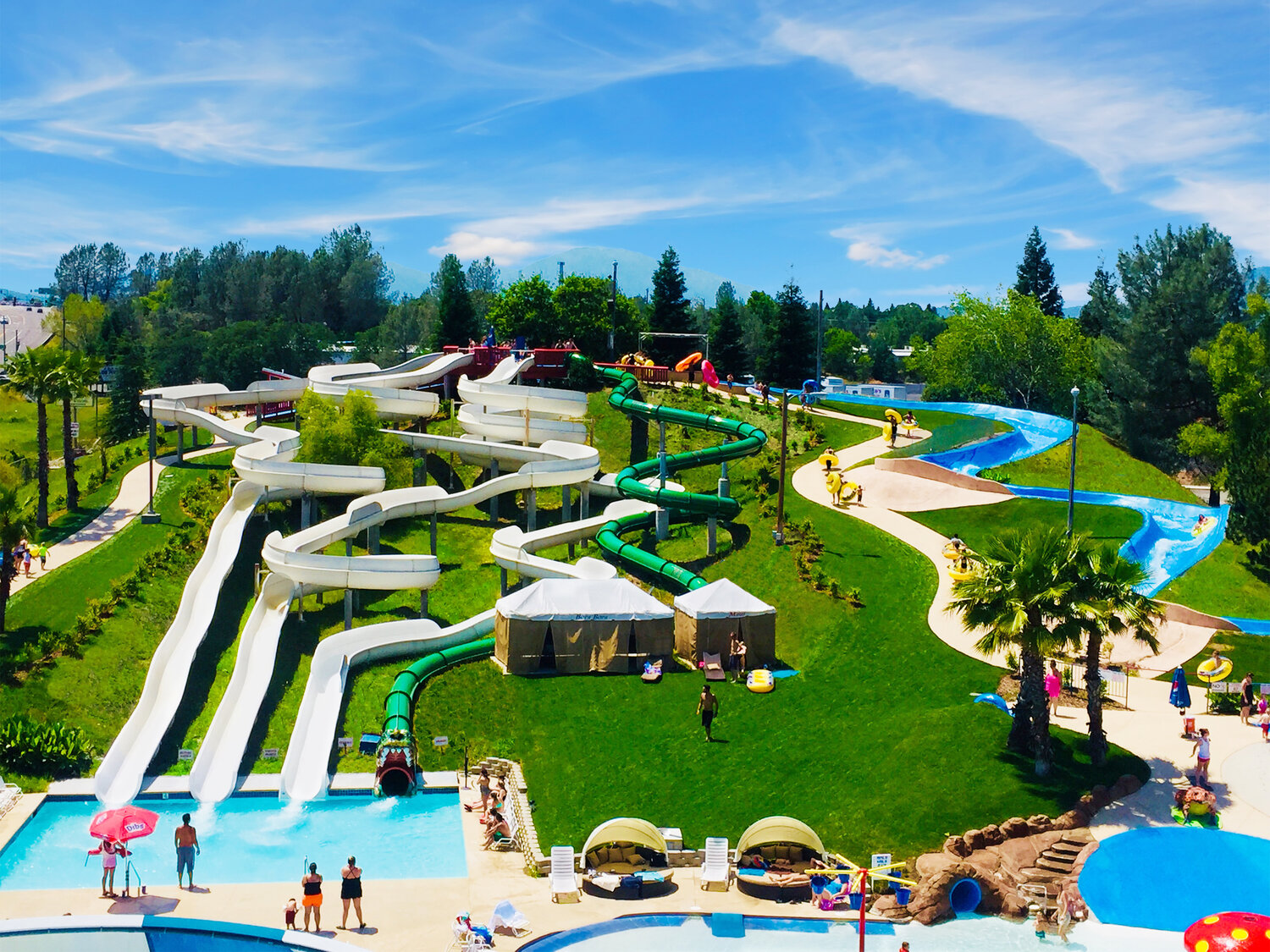
California's water park scene benefits from something most states can only dream about: a season that stretches from April into October across much of the state. The dry heat in Southern California and the Central Valley means outdoor parks can operate on a timeline that would be impossible in the Midwest, and the variety from San Diego to Sacramento gives families real options no matter where they're based.
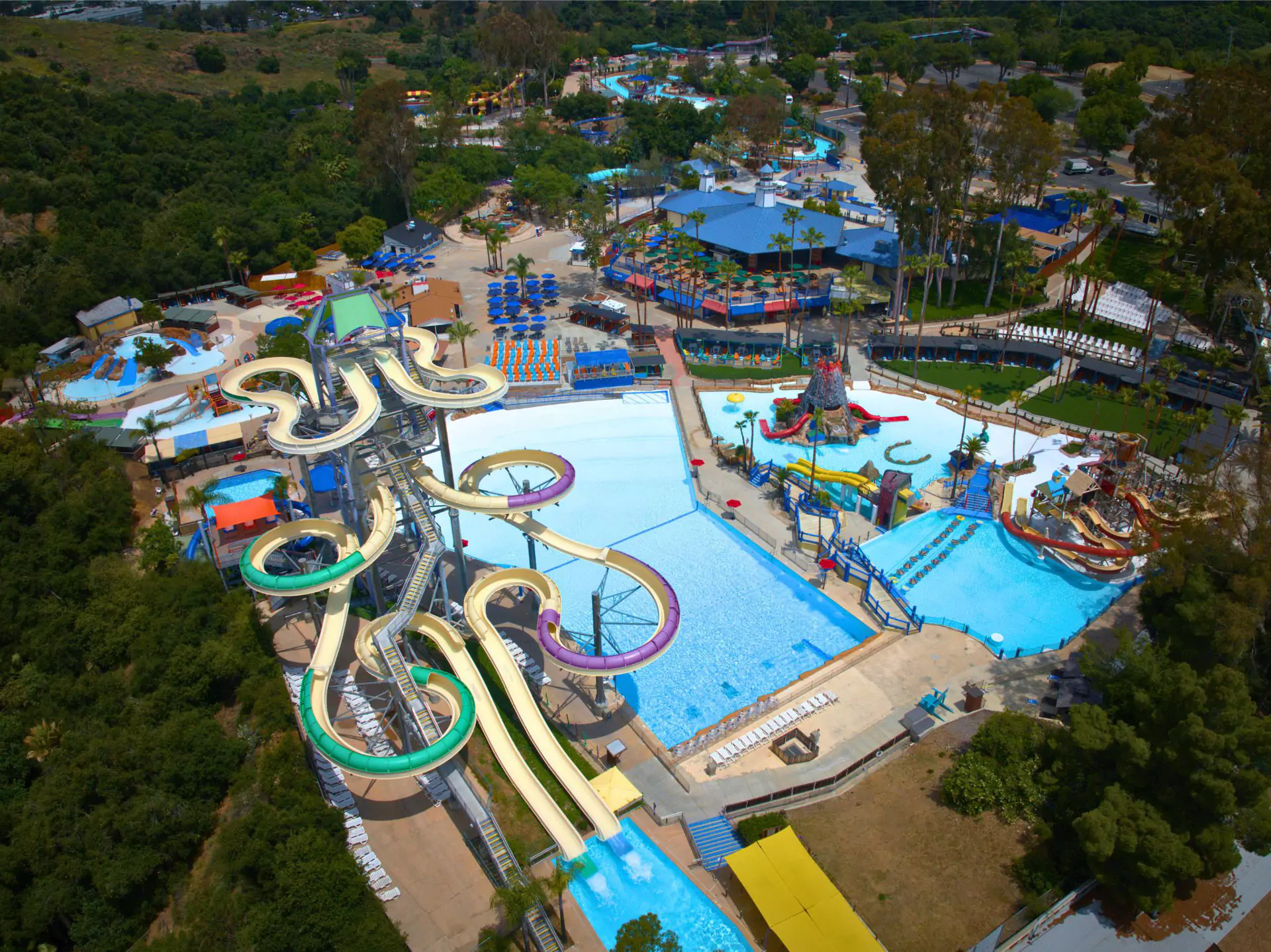
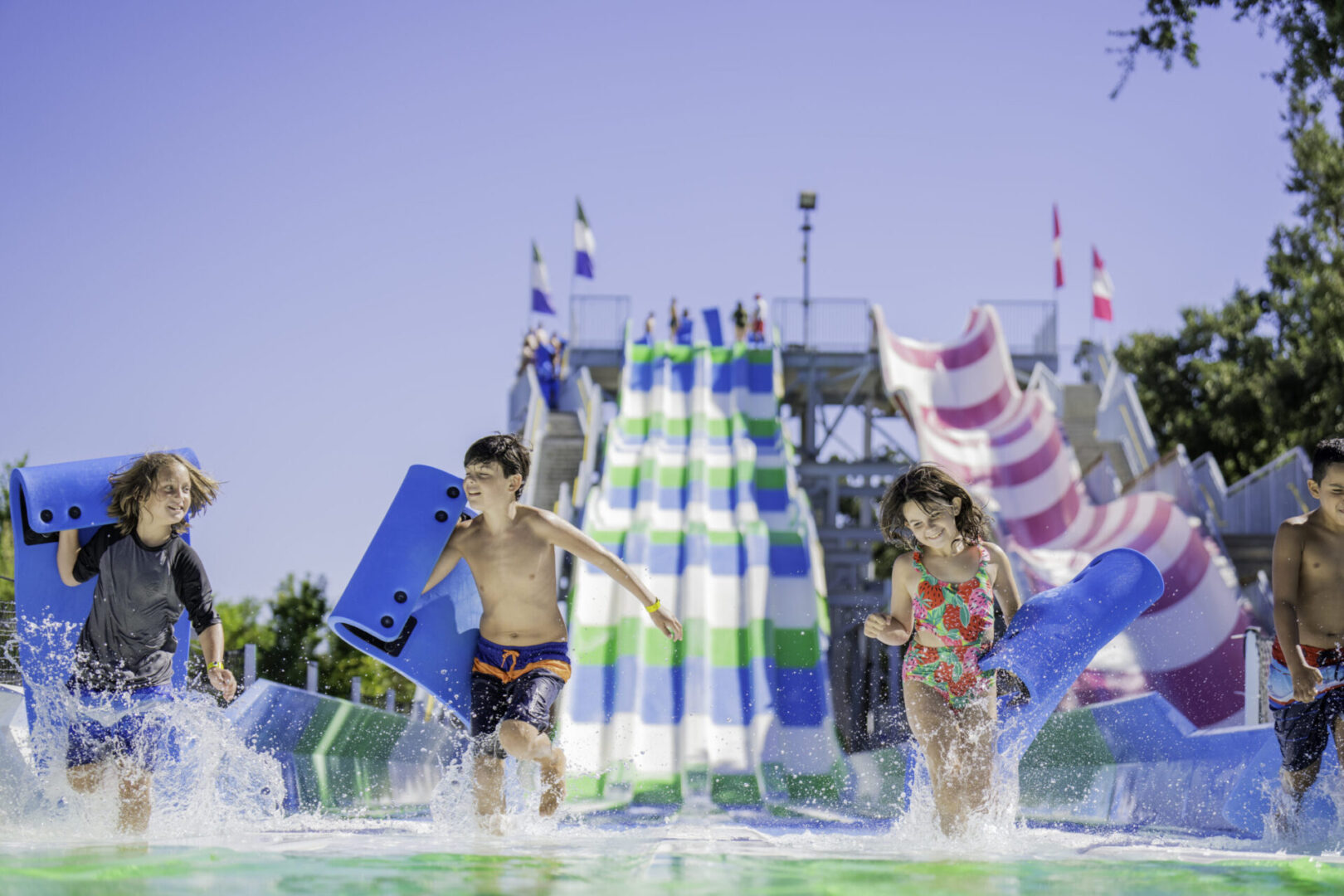
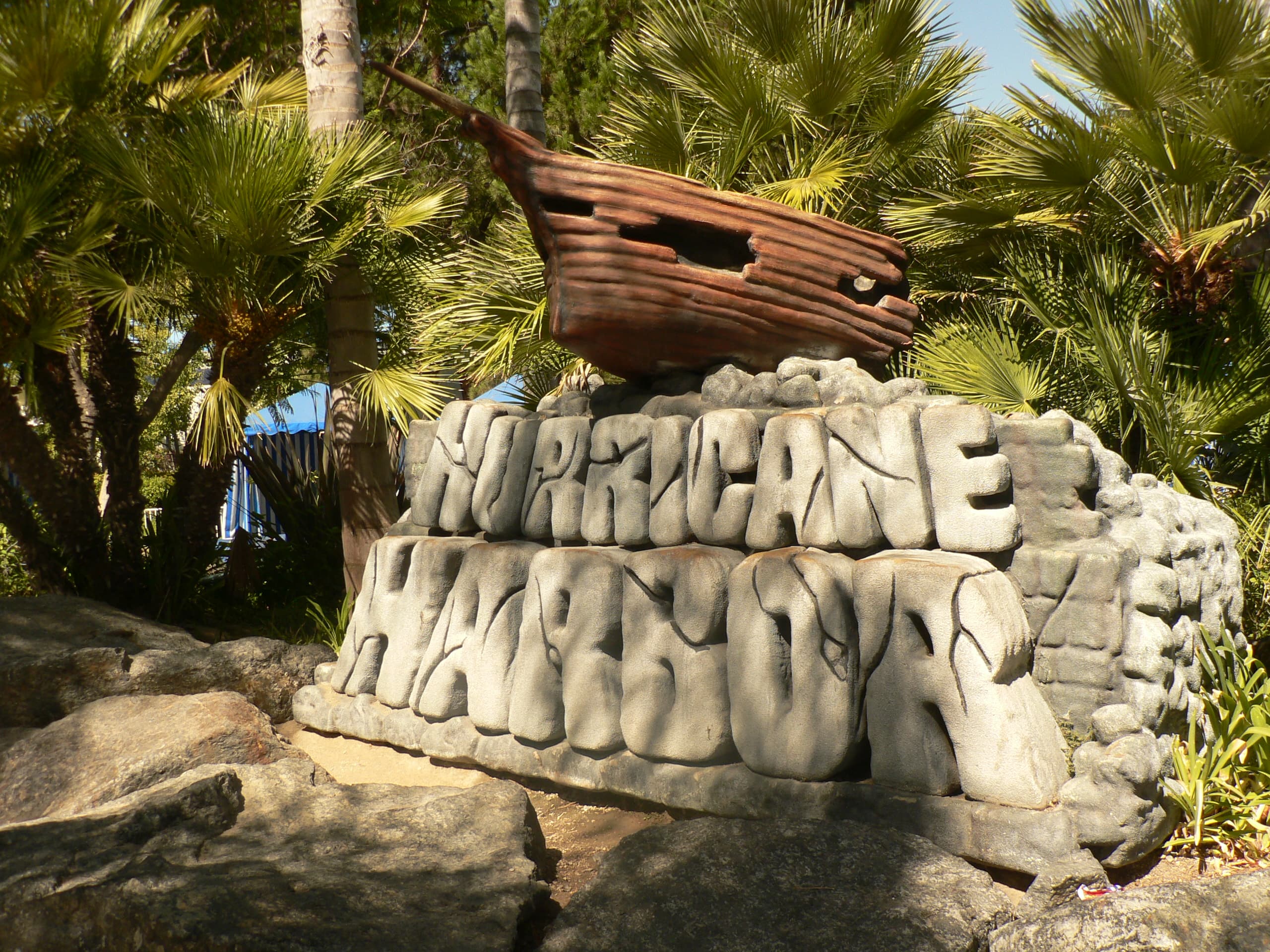
Southern California is where the density is. Raging Waters in San Dimas, tucked into the foothills east of LA, is the largest water park in the state and one of the best in the West. The slide lineup is deep, the wave pool is massive, and the park has enough square footage that even on a crowded Saturday it doesn't feel as packed as smaller parks do. Knott's Soak City in Buena Park sits adjacent to Knott's Berry Farm, which makes it a natural combo visit. If your family is already doing a Disneyland trip, Knott's Soak City is a 15-minute drive and gives you a full water park day as a change of pace. Six Flags Hurricane Harbor in Valencia rounds out the SoCal big three and tends to draw the thrill-ride crowd with some aggressive slide designs.
The San Diego area has Sesame Place, which replaced the old Aquatica park. It's heavily geared toward the preschool-through-early-elementary crowd, so manage expectations if your kids are older, but for that target age range it's excellent.
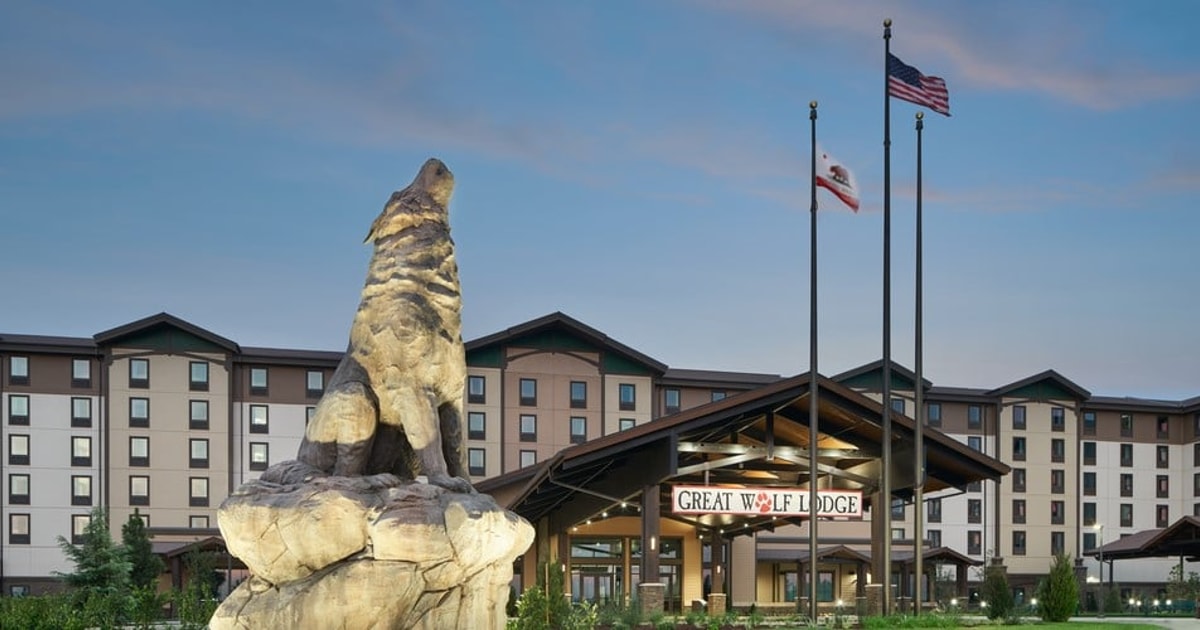
NorCal is thinner on options but not empty. Raging Waters Sacramento (formerly known as Sunsplash) serves the capital region. The Great Wolf Lodge in Manteca, between Sacramento and the Bay Area, gives families an indoor option that works regardless of weather.
The Central Valley gets absolutely scorching in summer, regularly hitting 105 to 110 degrees, and that's where timing matters. Visiting a park in Fresno or the Inland Empire in late July means you need the same heat management strategy as Texas: early arrival, shade breaks, water shoes for hot pavement. The coast stays cooler but not as cool as you'd think for water park purposes. Morning fog in places like LA and San Diego can make the first hour at a water park feel chilly until it burns off around 11 AM.
The best window for SoCal parks is late June through mid-September for full operations. Weekdays in September after Labor Day are golden because many parks stay open but the families with school-aged kids have cleared out. For NorCal, aim for July and August when temperatures reliably support an all-day outdoor water park visit.
One California-specific tip: the major parks here do dynamic pricing on tickets, with prices shifting based on expected attendance. If you check the park website two weeks out and compare prices across different dates, you can often save $15 to $20 per ticket just by shifting your visit by a day or two. Tuesday and Wednesday are almost always the cheapest days.
For official tourism information and more things to do in California, visit https://www.visitcalifornia.com.
Helpful Links
Browse Water Parks in Other States
AlabamaAlaskaArizonaArkansasColoradoConnecticutDelawareFloridaGeorgiaHawaiiIdahoIllinoisIndianaIowaKansasKentuckyLouisianaMaineMarylandMassachusettsMichiganMinnesotaMississippiMissouriMontanaNebraskaNevadaNew HampshireNew JerseyNew MexicoNew YorkNorth CarolinaNorth DakotaOhioOklahomaOregonPennsylvaniaRhode IslandSouth CarolinaSouth DakotaTennesseeTexasUtahVermontVirginiaWashingtonWest VirginiaWisconsinWyomingDistrict of Columbia